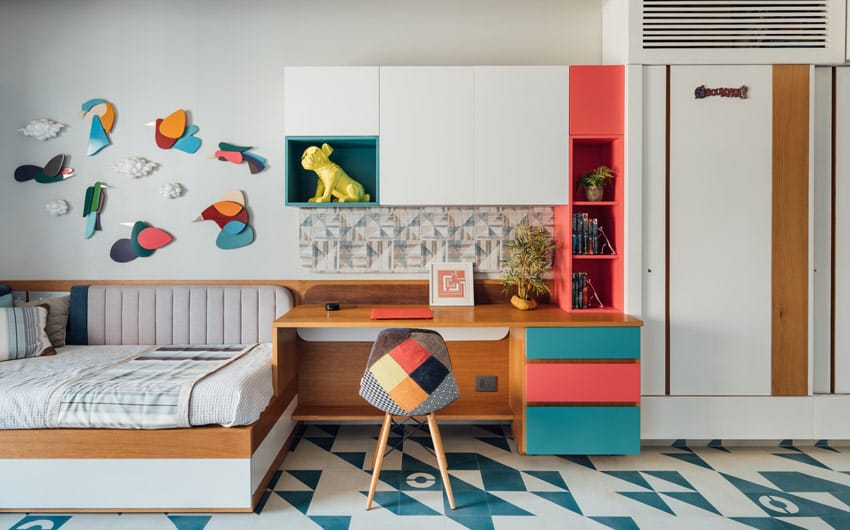
Creating a Kid-Friendly and Stylish Space: Designing for Children’s Rooms
Introduction
Are you looking to design a kid’s room that’s both functional and stylish? The design options out there can be daunting but don’t worry, we’ve got you covered with our expert tips on how to make sure your little one’s room is both stylish and functional.
Understanding Children’s Rooms
Children’s rooms can be one of the most exciting and challenging rooms to design. Every child is different, from newborns to teens, and every child has different needs and preferences. Age-appropriate designs are important to provide comfort, safety, and stimulation for your child’s growth.
Designing themes that match their interests will also stimulate their creativity and imagination. Don’t forget storage! A messy room can be a source of stress and frustration. Make sure you choose furniture with plenty of storage options. A well-designed children’s room can have a positive effect on your children’s mental and emotional health. A flexible layout can allow you to adjust the layout as your child grows.
Color Choice
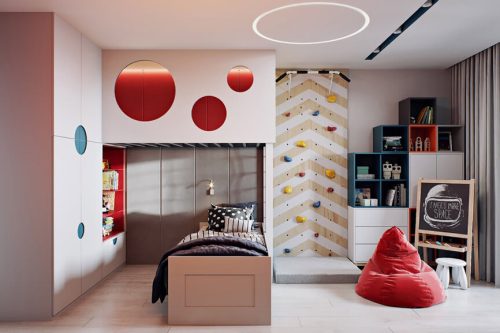
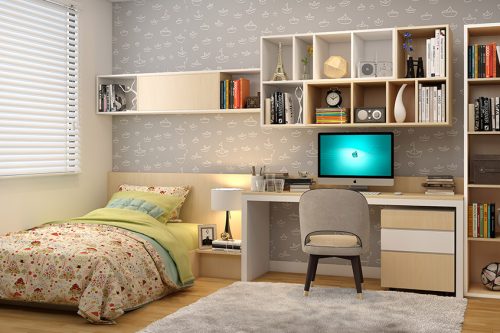
When it comes to picking out colors for your kid’s room, it’s important to choose shades that are both bright and calming. Some kids like bright and colorful colors, while others like a more calming vibe. You can also use patterns to add some visual interest but don’t go overboard. Plus, think about how color psychology can help you create a room that’s both fun and calming for your little one.
Furniture Selection
Choosing furniture for children’s rooms is very different from other rooms in the house. For obvious reasons, safety is of utmost importance and space efficiency is essential to keep the room neat and clutter-free. Innovative storage solutions can improve the decor of the room and save valuable space. When choosing furniture, make sure that it meets child safety guidelines. Look for sharp edges or corners and avoid anything that could be a danger to your children.
Space-efficient furniture designs help to make the most of the available space in the room. Multi-purpose items like beds with built-in storage systems or foldable tables can improve the room’s functionality without sacrificing style. With innovative storage solutions such as wall-mounted shelves or under-bed storage, you can keep the room clean and free of clutter. Keeping the room practical and functional will ensure that your little ones have a safe and fun place to play.
Play Area Development
A play area is a must-have in a kid’s room! What could possibly go wrong? Creating a space for play teaches kids the importance of having a dedicated work area, making them more productive and making sure their playthings last a long time. When picking out toys for the play area, make sure they’re toys that help kids learn and grow. Change up the layout of the area to make it easier for them to get around, but make sure to keep the area clean so that messes don’t spill over into the other rooms.
Lighting Options
Lighting is one of the most important factors in a child’s bedroom. Natural light can help children sleep better, while artificial lighting, such as lamps and accent lighting, can create a stimulating environment for children to learn or relax.
Conclusion
Basically, when it comes to decorating a kid’s room, it’s all about making sure it’s appropriate for their age, including themes, storage, layout, color, furniture, and play area. You can also use different lighting to make it fun and exciting and remember that safety should always be your top priority!
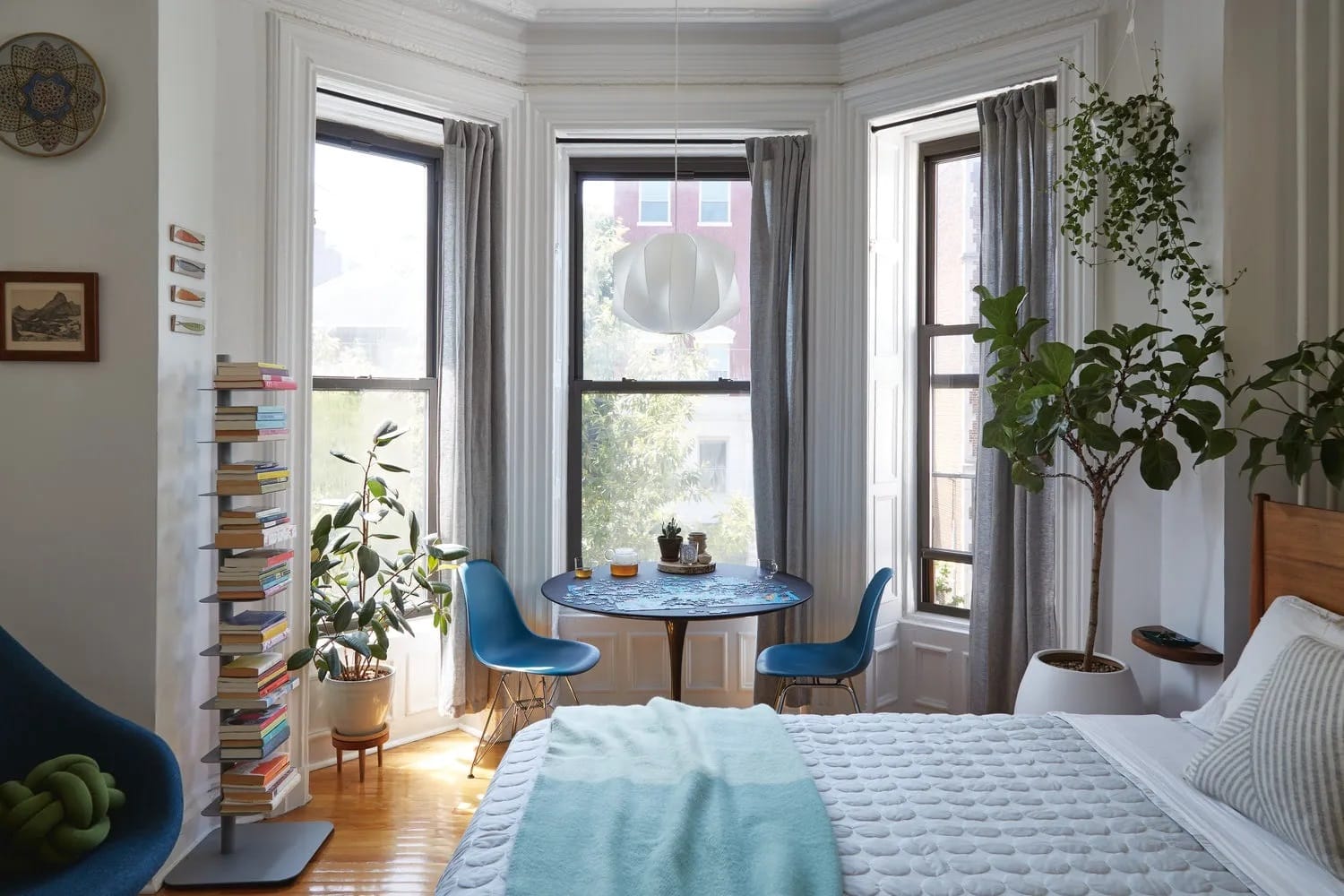
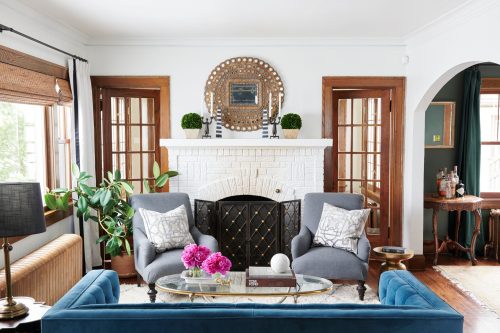
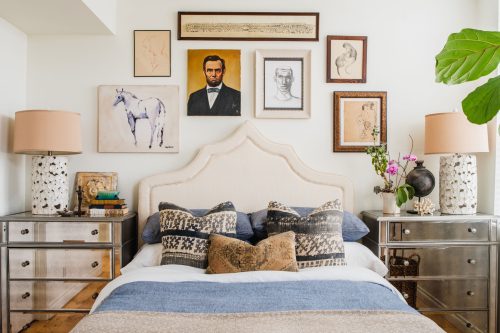
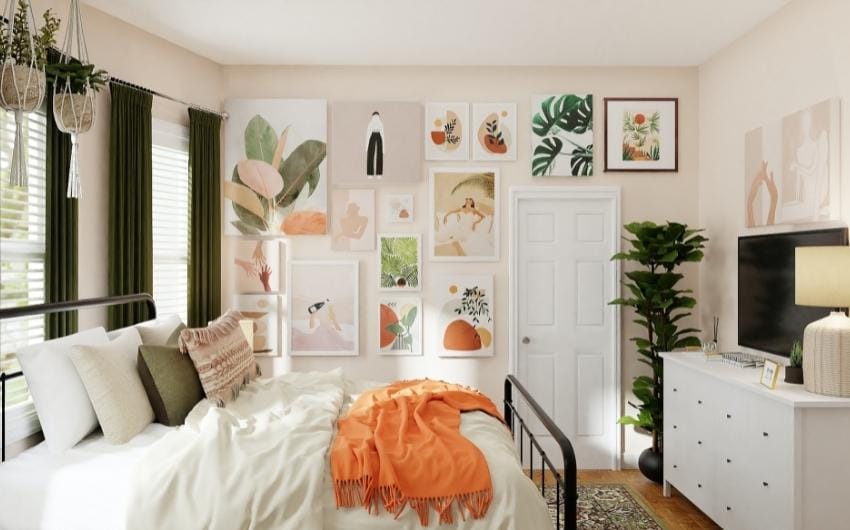
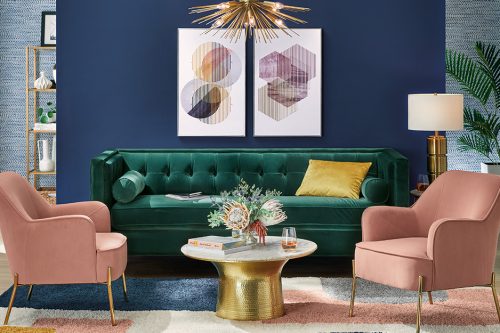
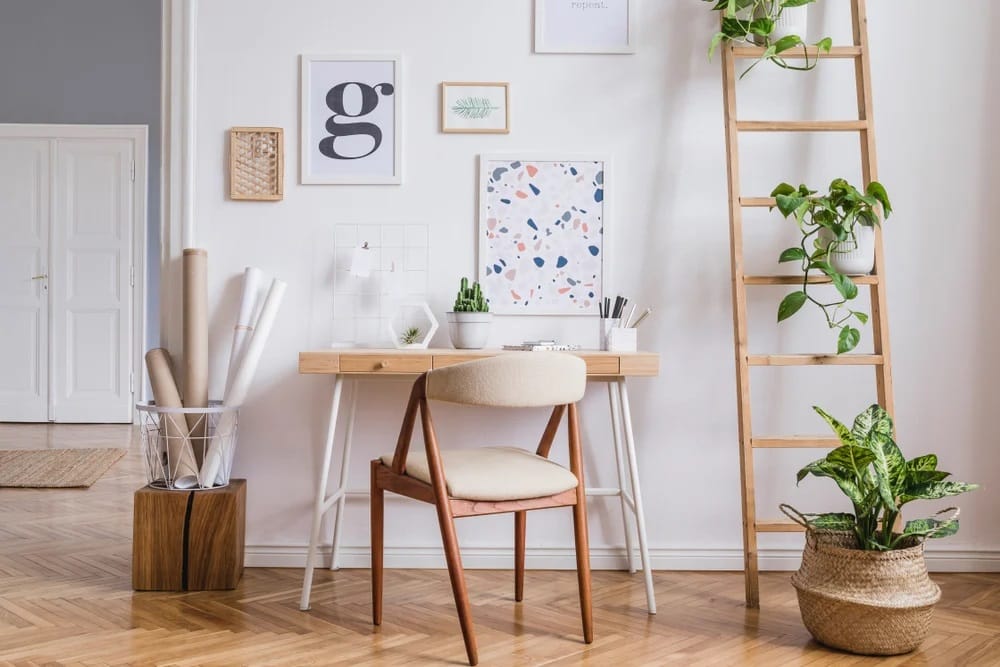
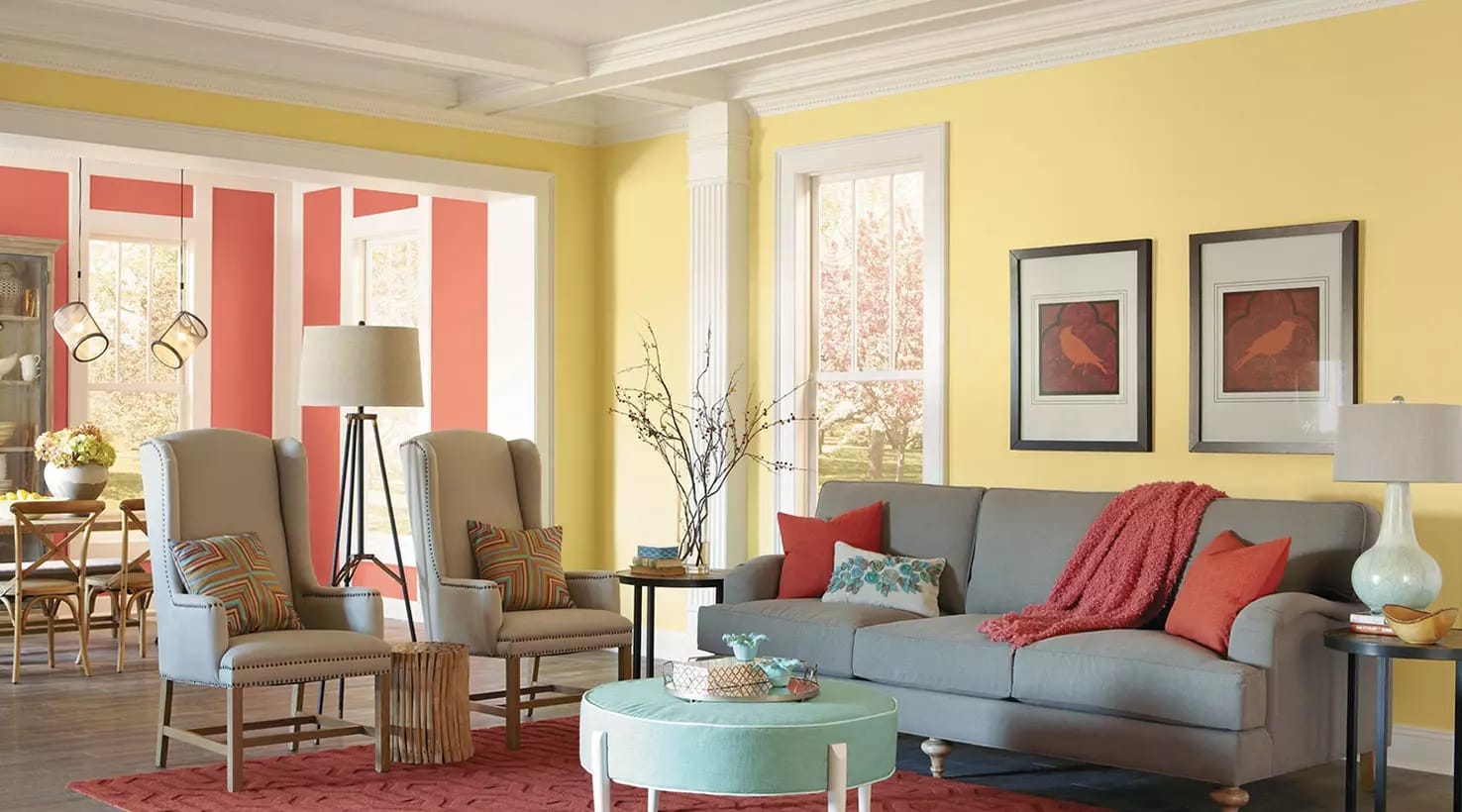
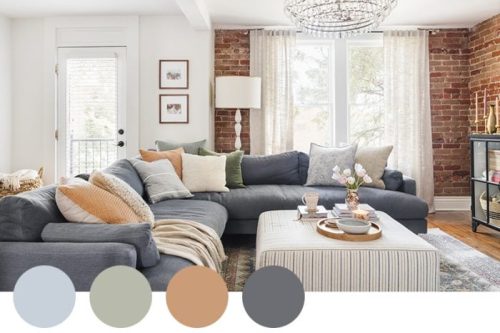
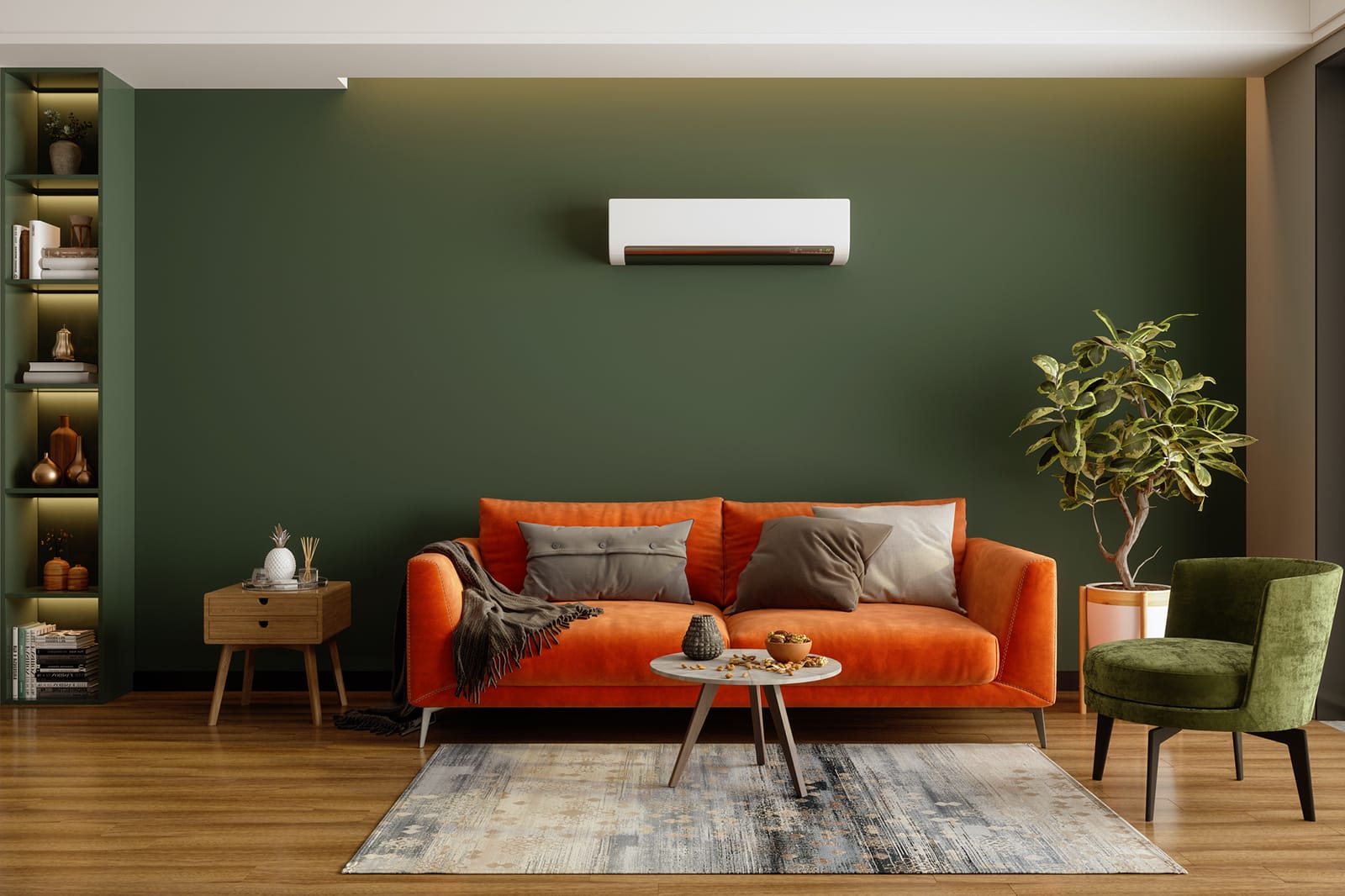
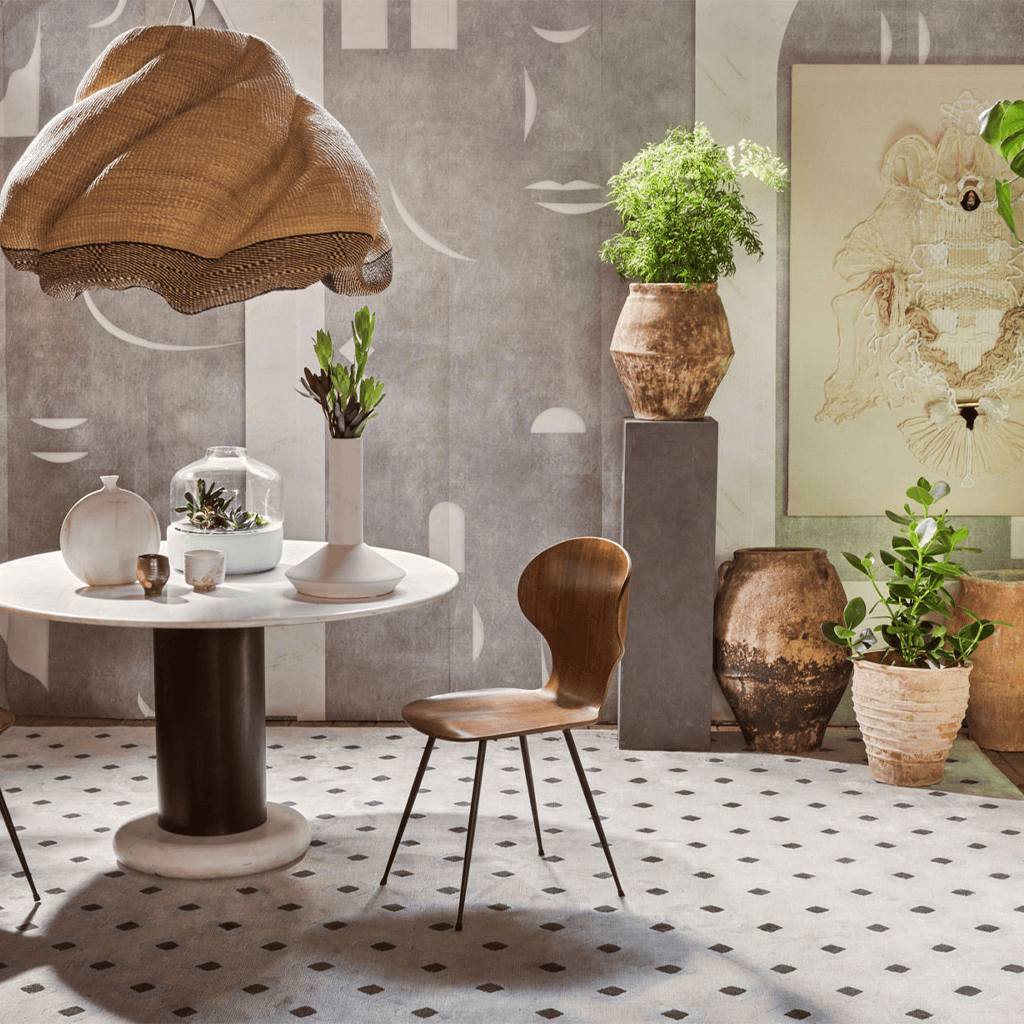
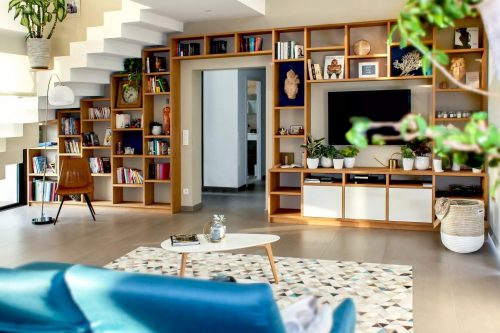
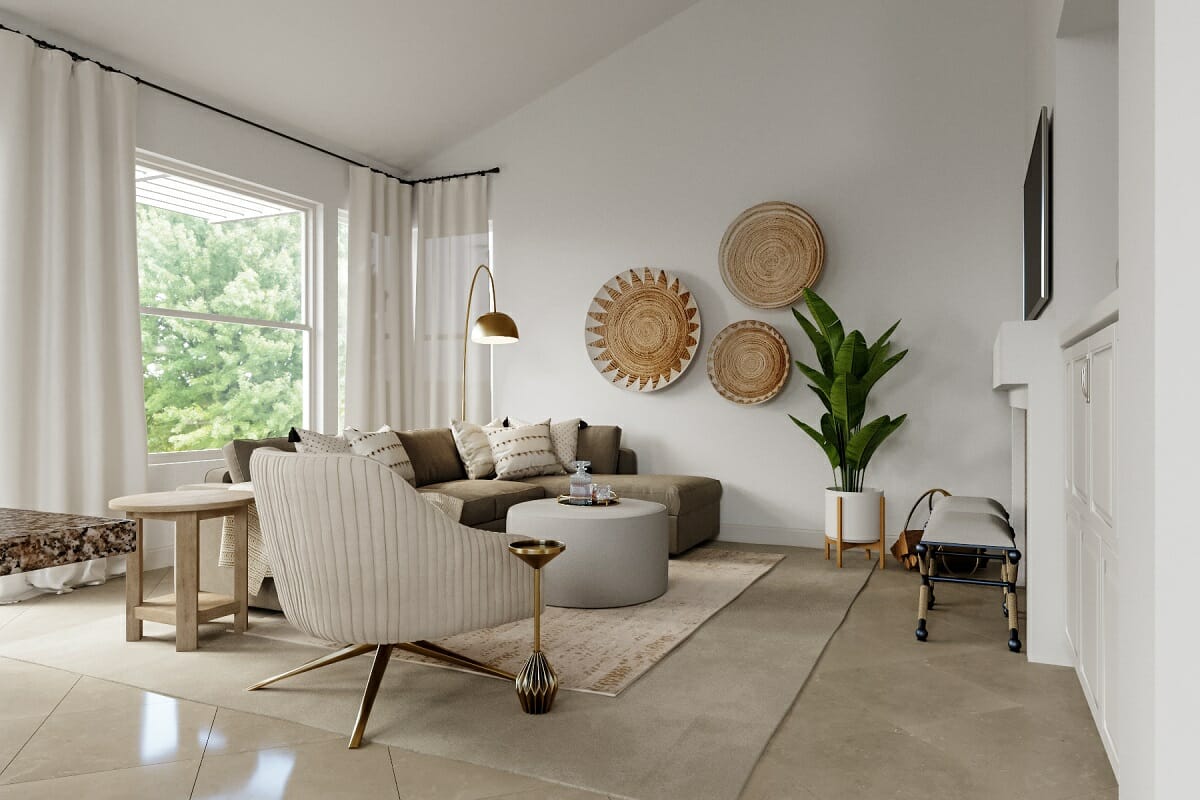
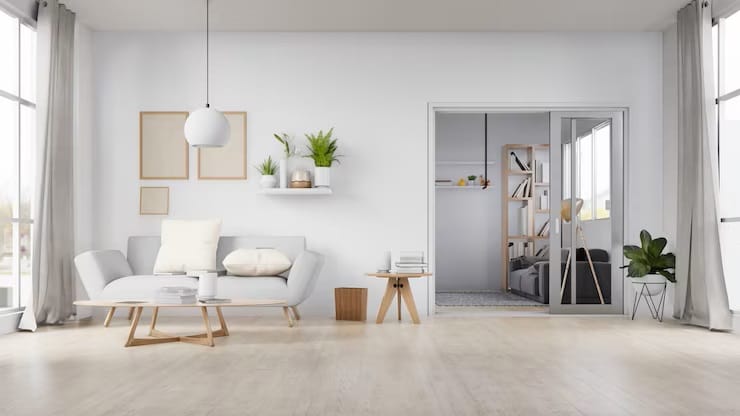
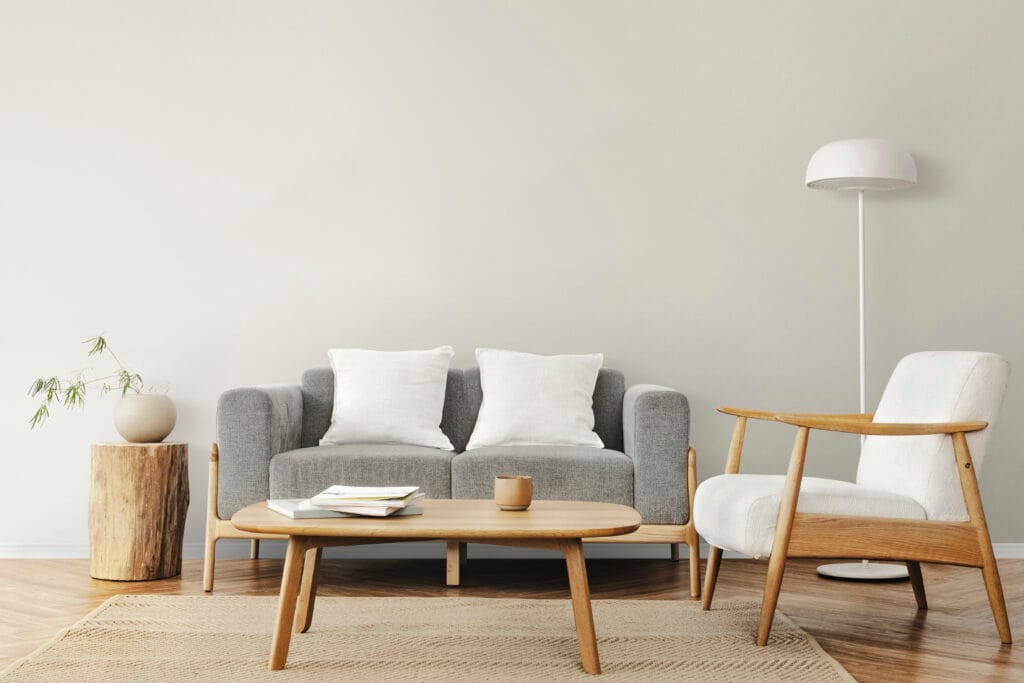
 triumph over quantity. Limiting the number of furniture pieces and decorations to only what is necessary creates a clean and serene environment, allowing each piece to stand out on its own. Opting for high-quality furniture ensures longevity and timelessness. Steer clear of the trends; instead, invest in statement pieces that serve dual functions, such as a unique coffee table or a multi-storage media console. Texture and materials play a vital role in creating depth and warmth in the space.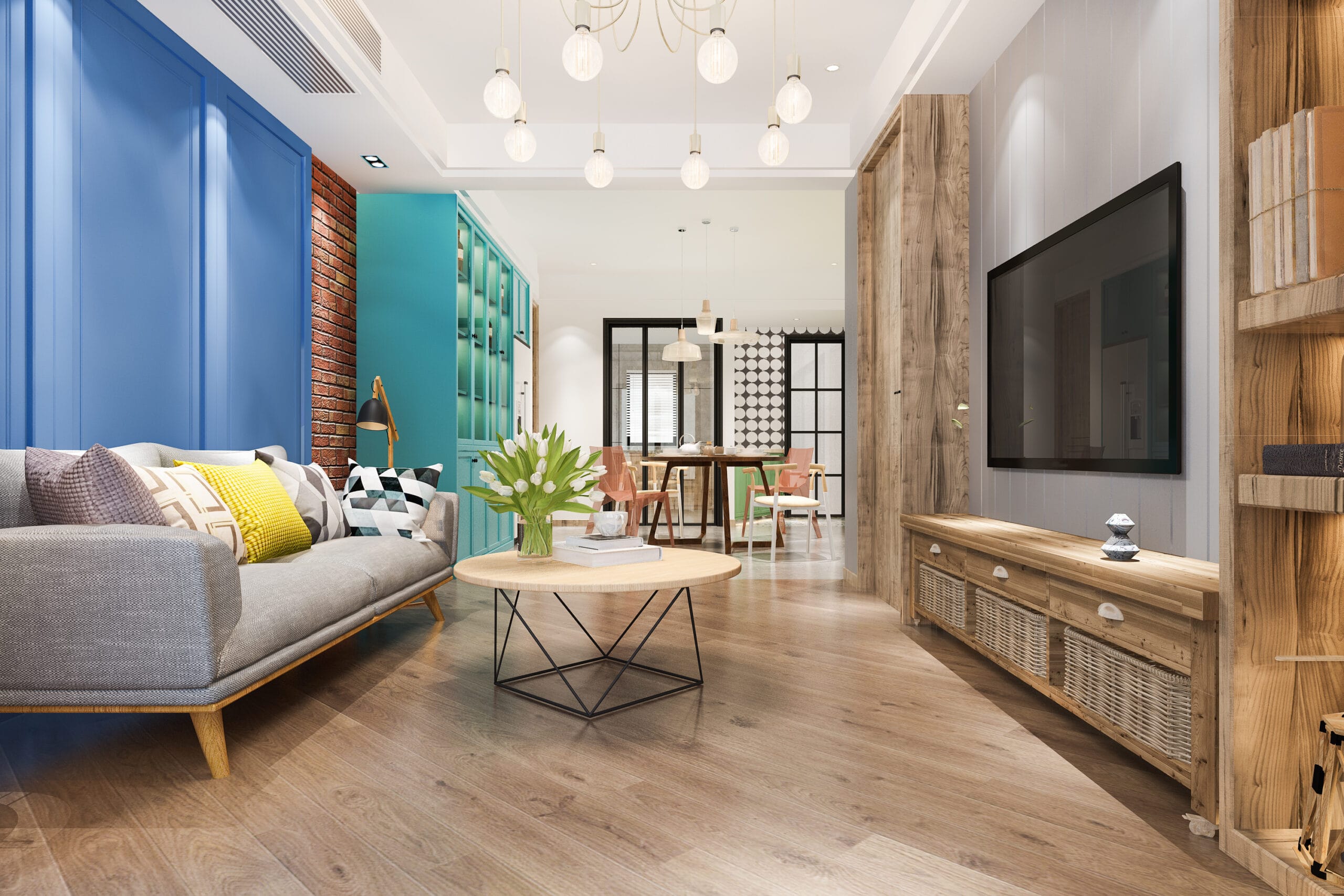
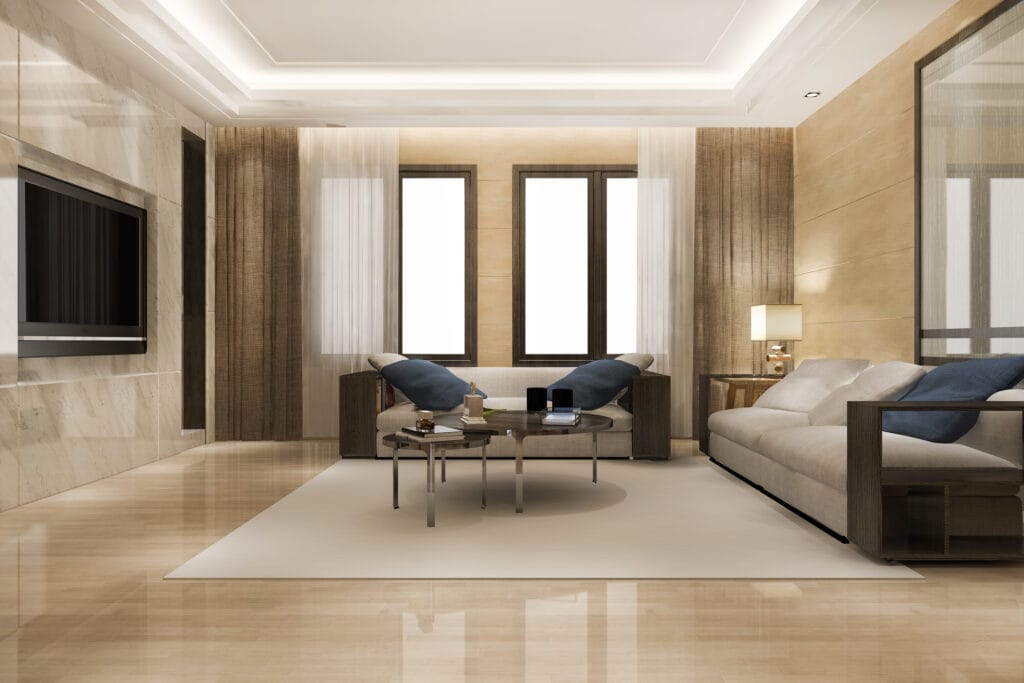
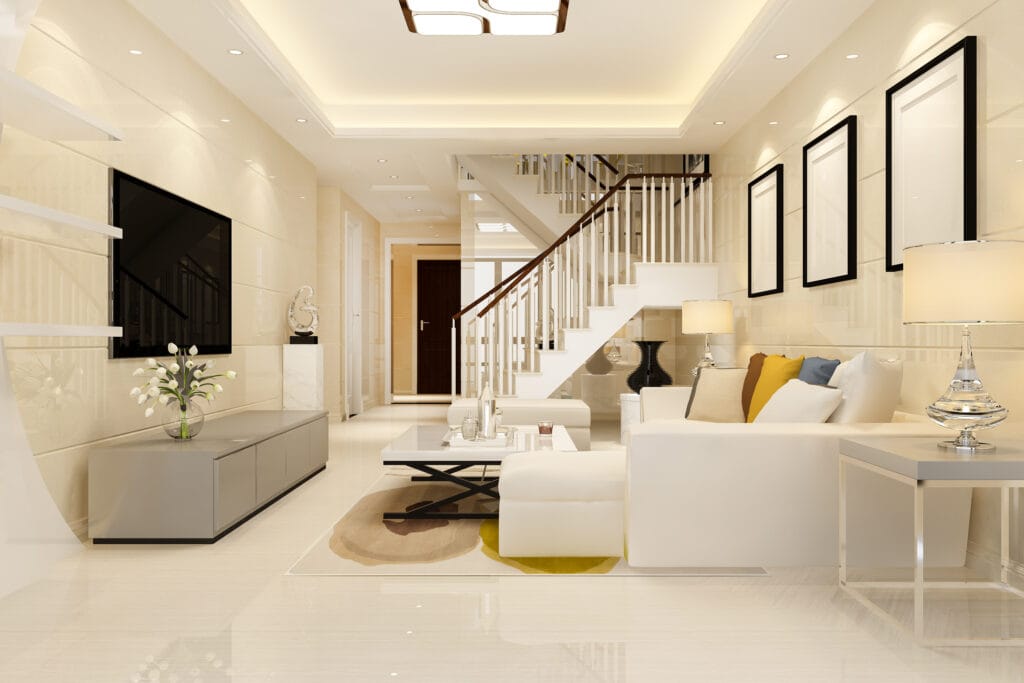
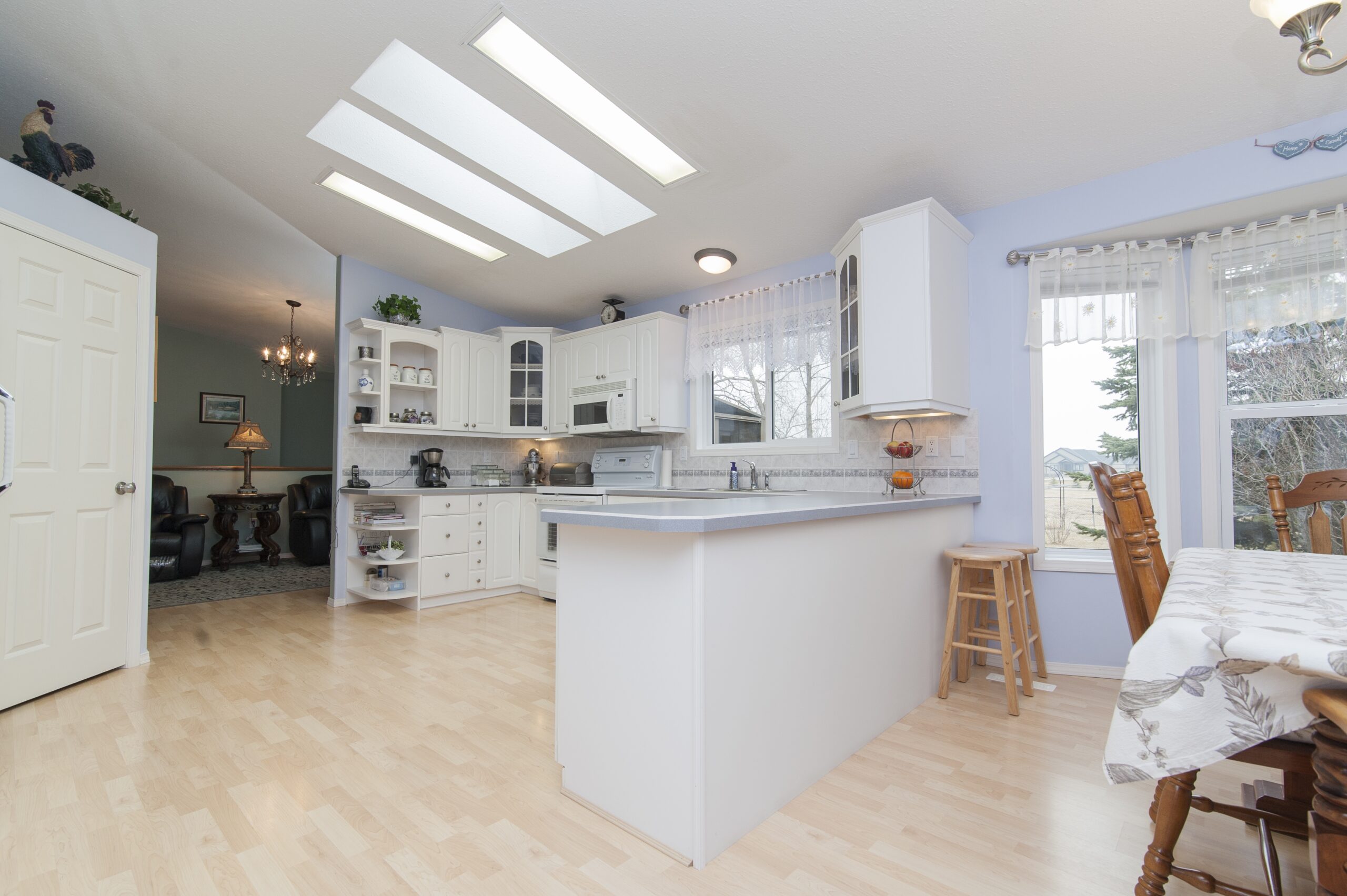
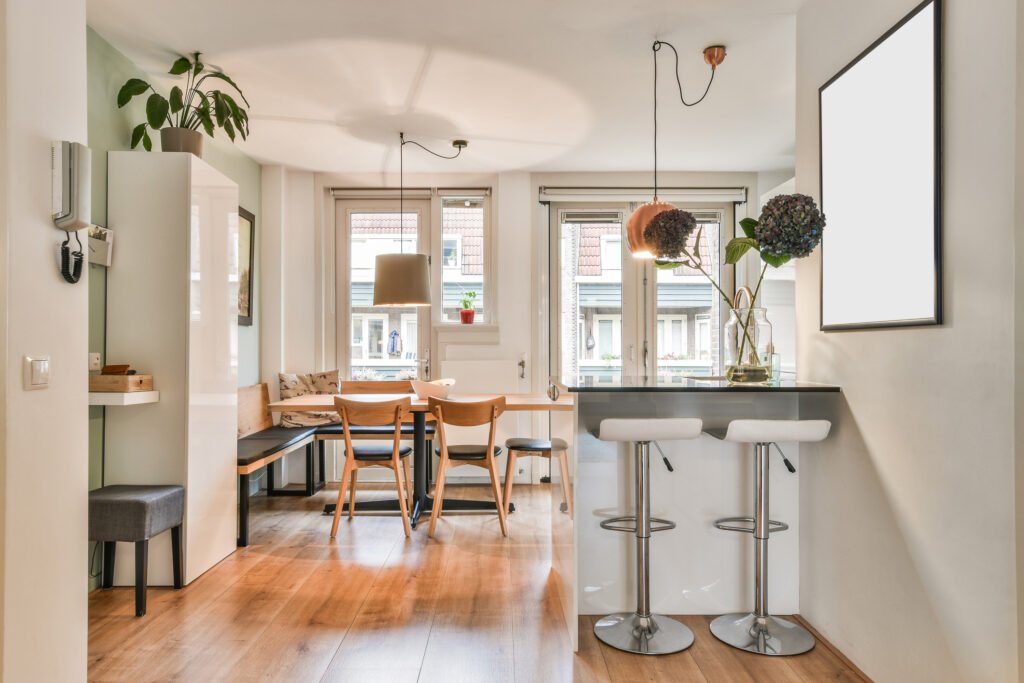
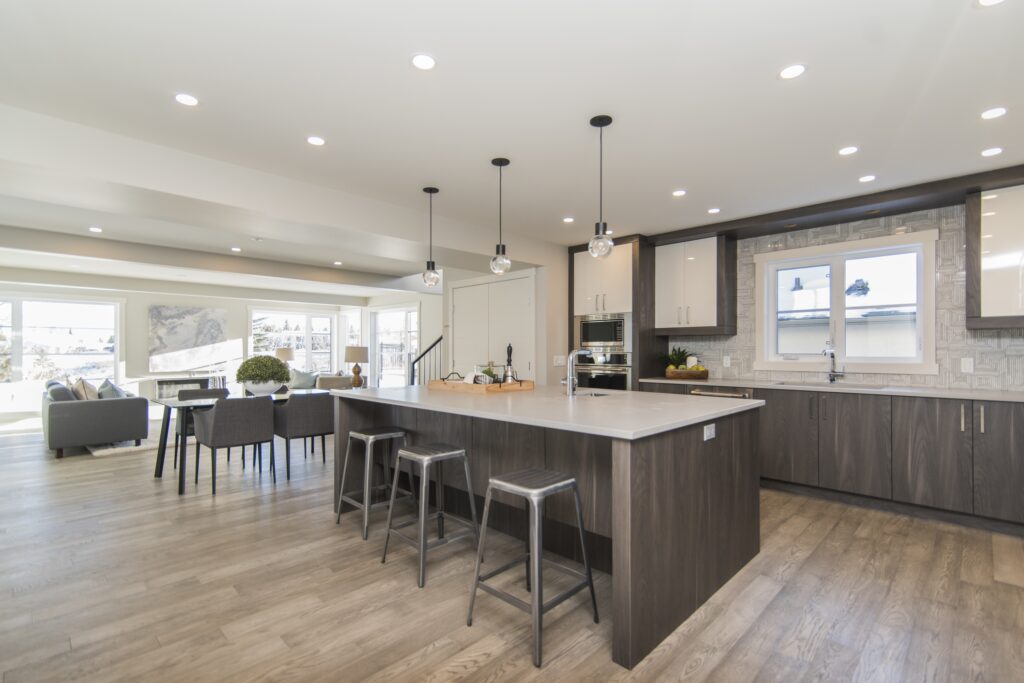
 a cozy living room area, and position your dining table and chairs in another area of the room.
 One of the keys to making an open-plan space feel inviting and intimate is to incorporate cozy textures and finishes, such as plush rugs, soft throws, and warm lighting. Adding personal touches, such as artwork and family photos, can also help to create a sense of warmth and personality in an open space. Smart furniture arrangements are also essential in open-plan living. For example, using a large area rug can help to anchor a seating area and create a visual separation between different zones. Similarly, using bookcases or screens can help to define spaces while still maintaining an open feel.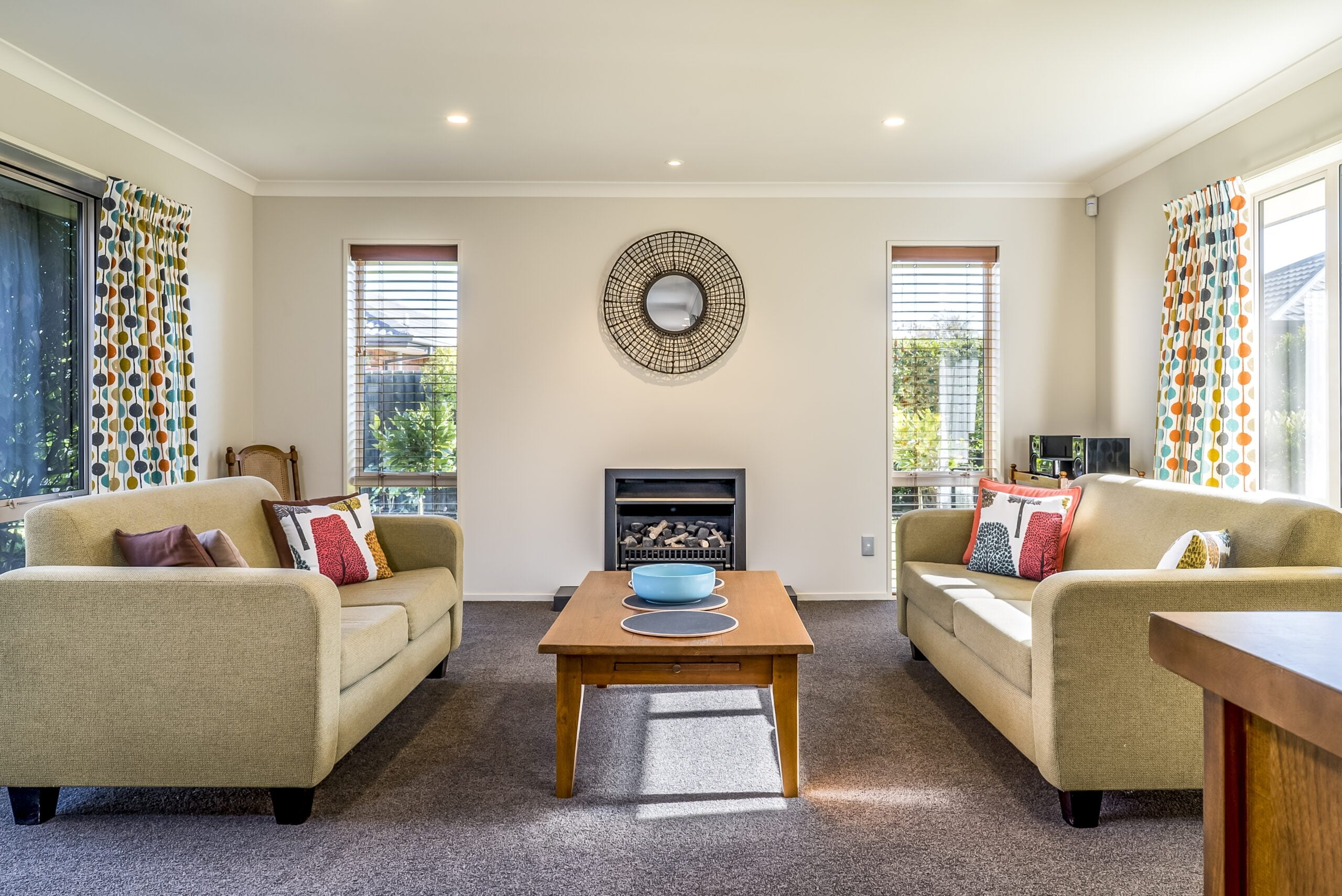
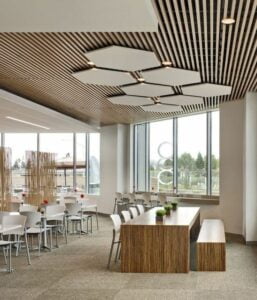 Interior design has always been an important aspect of creating a comfortable and functional living space. However, with the changing times and the advent of technology, interior design is taking on a whole new meaning. In 2023, interior designing will be more than just enhancing the aesthetics of your home. It will be about creating a living space that is in tune with your lifestyle and needs.
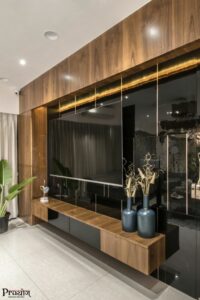 Interior design is changing the way we live in 2023. With sustainable designs, smart homes, and wellness spaces, interior designing is no longer just about aesthetics, but also about creating a living space that is in tune with your lifestyle and needs. At NexG Interiors, we understand the importance of interior design in creating a comfortable and functional living space. Our team of expert interior designers works closely with you to create a customized plan that meets your unique needs and preferences. Contact us today to transform your home into a beautiful and functional living space that is in tune with your lifestyle.